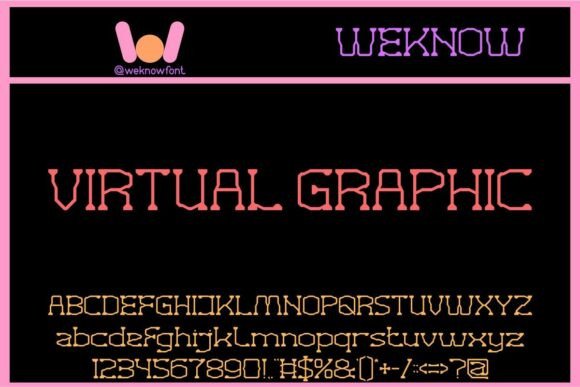
Virtual Graphic: The Future-Ready Display Font for Digital Design
I remember the exact moment I realized my new client's landing page needed a complete visual overhaul. It was a boutique online store selling modern tech accessories, and the current typography felt flat, disconnected from the sleek, modular aesthetic they wanted to convey. While scrolling through their brand assets, I stumbled upon Virtual Graphic, a typeface that promised to bridge the gap between technology and design. As I tested it in the hero section, I watched how this versatile typeface glided beautifully through modular and polygonal styles, seamlessly fitting within future-proof digital layouts. It wasn't just another font; it was the missing piece that gave the brand its distinct personality.
Why Virtual Graphic Transforms Modern Website Headers
When you are building a high-impact hero section, Virtual Graphic stands out as the premier choice among Display fonts designed for screen readability. Unlike generic sans serif options that can feel sterile, this typeface brings a dynamic, geometric energy that immediately captures attention without sacrificing clarity. In my recent project for a SaaS product launch, I swapped the standard headline for Virtual Graphic to see how it would handle large-scale text over a dark background. The polygonal cuts in the letterforms created subtle shadows and depth, making the text pop off the screen while maintaining a professional tone. This is exactly what happens when a premium font understands the nuances of digital rendering.
The modular nature of the letters allows them to sit comfortably alongside complex UI elements, such as data visualization charts or grid-based navigation menus. When users scan your site, the unique structure of Virtual Graphic guides their eyes naturally toward key information, improving overall scanning behavior. It proves that a well-chosen display font does more than just look good; it actively enhances the user experience by establishing a clear visual hierarchy right from the first second of interaction.
How Virtual Graphic Elevates Product Landing Pages
For designers creating conversion-focused pages, Virtual Graphic offers a unique advantage in distinguishing call-to-action areas and product highlights. I recently applied this typeface to a course sales page where the goal was to make the curriculum stand out against a busy, colorful layout. The clean lines and futuristic vibe of Virtual Graphic cut through the visual noise, ensuring that the value proposition remained the focal point. Because it is classified as a Display font, it excels at short phrases and punchy headlines rather than long paragraphs, which is perfect for the snappy copy found on modern landing pages.
- Visual Consistency: The uniform stroke width ensures that buttons and banners look cohesive across different devices.
- Brand Trust: A polished, intentional typeface signals professionalism, encouraging users to trust the brand with their time and money.
- Modular Flexibility: The polygonal styles adapt well to various aspect ratios, whether you are designing for mobile screens or desktop monitors.
Using Virtual Graphic here didn't require heavy graphic design work; the typography itself did the heavy lifting. By pairing the bold display weights with a simple, legible sans serif for body text, I created a balanced composition that felt both modern and approachable. This combination is essential for any digital creator looking to build a strong online identity without overwhelming the viewer.
Best Practices for Using Virtual Graphic on Mobile Devices
One of the most critical tests for any web font is how it performs on smaller screens, and Virtual Graphic passed with flying colors during my responsive design audit. Since the character shapes rely on geometric precision, reducing the size too much can sometimes cause pixelation or loss of detail. However, by adjusting the line height and letter spacing slightly, I ensured that the modular details remained crisp even on a smartphone display. This attention to detail is crucial for Fonts intended for mobile-first audiences, where every pixel counts.
When placing Virtual Graphic over image banners on mobile, I found that using a slight text shadow or a semi-transparent overlay helped maintain contrast. The font's ability to glide through different backgrounds means it doesn't clash with photography; instead, it complements the visual storytelling. For a portfolio homepage, this meant I could showcase creative work with confidence, knowing the typography would support the images rather than compete with them.
Pairing Virtual Graphic for Balanced Digital Branding
A powerful design system relies on harmony between different typefaces, and Virtual Graphic pairs exceptionally well with understated body fonts. In a recent redesign for a coaching website, I paired the sharp angles of Virtual Graphic with a soft, rounded sans serif for the main content. This contrast created a delightful tension: the display font provided the "future" edge, while the body text offered warmth and readability. This strategy is vital for anyone looking to create a comprehensive digital brand kit that feels both innovative and human-centric.
When selecting a companion font, it is important to avoid competing personalities. Since Virtual Graphic is already quite distinctive with its polygonal styles, the supporting text should be neutral. This approach ensures that the user's focus remains on the message. Whether you are designing a blog header, a digital ad campaign, or a small business website, this pairing technique helps establish a consistent voice across all touchpoints.
Before finalizing the integration, always check the included file formats and webfont availability. Virtual Graphic comes with a robust set of weights and styles that cover most commercial needs, but verifying multilingual support is a smart move if your audience is global. Understanding the licensing terms ensures you can use the font confidently on client projects, online stores, and promotional materials without legal hurdles.
Real-World Applications for Creative Professionals
The versatility of Virtual Graphic extends far beyond simple headlines. I have seen it used effectively as decorative accents in email newsletters, adding a touch of sophistication to plain text. For a creative agency, it served as the backbone of a rebranding effort, appearing in everything from social media graphics to the footer of the main website. Its ability to fit within future trends makes it a safe investment for long-term branding strategies.
If you are a digital product creator looking to upgrade your visual identity, consider how Virtual Graphic can transform your existing assets. It is not just about changing a font family; it is about elevating the entire perception of your work. From the way it handles modular layouts to its seamless integration into technology-driven designs, this typeface delivers a polished, high-end finish that resonates with modern audiences.
By choosing Virtual Graphic, you are making a statement about your commitment to quality and forward-thinking design. Whether you are launching a new product, revamping a portfolio, or simply refreshing a blog, this display font provides the structural integrity and stylistic flair needed to stand out in a crowded digital landscape. The result is a website that not only looks beautiful but also functions efficiently, driving engagement and fostering a deeper connection with your visitors.