Texturized: The Ultimate Display Font for Creative Projects
In the crowded world of digital design, finding a typeface that commands attention while maintaining elegance is a rare feat. Texturized free download options are scarce for fonts that balance such distinct character with professional polish, making this find particularly valuable for designers seeking a unique edge. If you are looking to download Texturized font free, you are about to discover a typeface that redefines what a Display font can achieve in modern branding and merchandise.
This review dives deep into the specifics of the Texturized font download, analyzing its visual personality, licensing terms, and practical applications. Whether you are crafting a high-end fashion brand or designing eye-catching stickers for a local event, understanding how to leverage this tool correctly is essential for your next project.
Design & Style Analysis
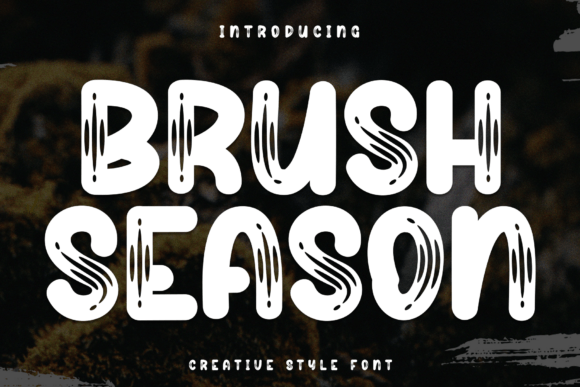
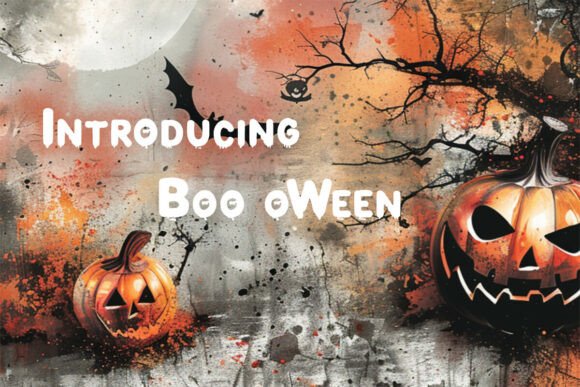
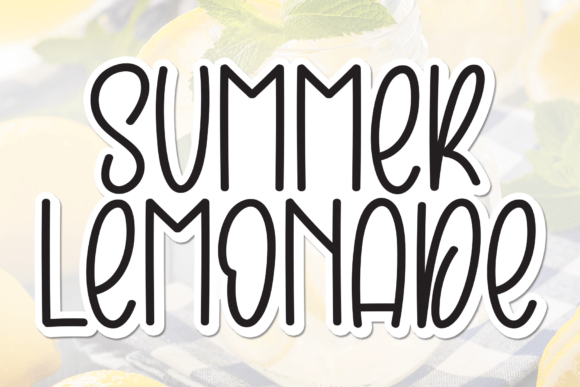
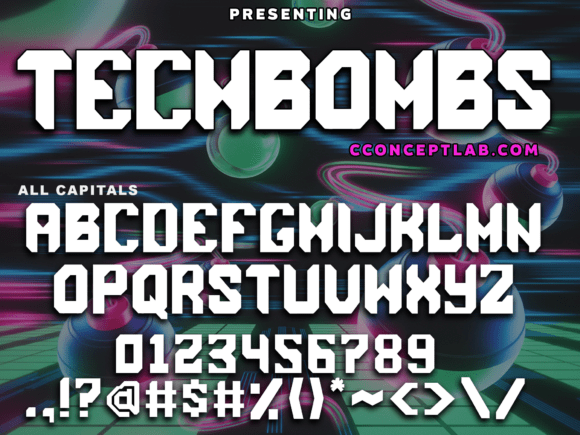
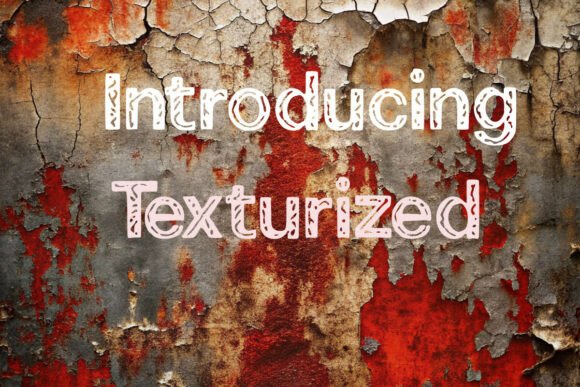
The visual identity of Texturized is defined by its tactile quality. Unlike standard geometric sans-serifs, this premium Display font introduces subtle irregularities that mimic hand-drawn strokes or textured surfaces. This characteristic makes it stand out immediately against the clean lines of typical web typography.
Letterforms and Personality
The letterforms in Texturized possess a robust weight that suggests confidence without being aggressive. The curves are slightly softened, giving the typeface a friendly yet authoritative tone. When compared to other best Display fonts for use case scenarios like headers or large-scale posters, Texturized offers a more organic feel that resonates well with audiences seeking authenticity.
Spacing and Weight
Proper spacing is critical for any professional Fonts font, and Texturized excels here. The kerning is tight enough to create a cohesive block of text but loose enough to allow the texture within the letters to breathe. This balance ensures that the font remains legible even when scaled down, a common issue with many decorative Display styles.
Best Uses for Texturized
One of the most compelling aspects of this typeface is its versatility across various media. Designers often struggle to find a single font that works seamlessly from a logo to a product label, but Texturized bridges that gap effectively.
Texturized for Logo Design
When establishing a brand identity, a logo needs to be memorable. Using Texturized for logo design allows creators to inject a sense of craftsmanship and uniqueness into the mark. The textured details catch the eye, making it an excellent choice for boutique brands, coffee shops, or creative agencies that want to avoid generic corporate looks.
Texturized for Branding
Consistency is key in marketing materials. Texturized for branding extends beyond just the logo; it sets the tone for social media graphics, business cards, and website headers. Its distinctive style ensures that all assets share a unified visual language, reinforcing brand recognition across different platforms.
Texturized for Posters and Social Media
For promotional materials, visibility is paramount. Texturized for posters/social media/packaging provides the necessary impact to stop a user from scrolling past. Whether it is a concert flyer, a product box, or an Instagram story background, the font's strong presence ensures your message is heard above the noise.
Texturized for Wedding Invitations
While often associated with edgy designs, Texturized for wedding invitations/cards/typography can offer a rustic-chic aesthetic. It pairs beautifully with floral elements or watercolor backgrounds, adding a touch of warmth and personalization to special occasion stationery.
Font Pairing & Combinations
A common question among designers is what fonts pair well with Texturized? Because Texturized has a strong visual voice, it requires a partner that complements rather than competes with it. Successful Texturized font pairing usually involves balancing its texture with simplicity.
For body text, a clean sans-serif like Helvetica or a classic serif like Garamond works wonders. These neutral companions allow the headline to shine without creating visual clutter. Another effective strategy is combining Texturized with a delicate script font for accent words, which adds a layer of sophistication suitable for Texturized for branding projects that require a touch of elegance.
When considering the best font combinations with Texturized, always prioritize readability. The goal is to let the display font do the heavy lifting for headlines while ensuring the supporting text remains easy to read at smaller sizes.
Licensing & Commercial Use
Before integrating any new typeface into a client project, verifying the legal terms is non-negotiable. Many users search for "is Texturized free for commercial use," and the answer depends on the specific license obtained.
Generally, fonts found via a Texturized free download link may be restricted to personal use only. However, purchasing a Texturized font license grants the necessary rights for commercial projects, including logos, merchandise, and advertising. Understanding the difference between personal use and commercial use is crucial to avoid legal pitfalls. Always check the provider's terms to ensure you have the right permissions for your specific application.
If you need broader rights for multiple projects, consider looking into a font bundle or font pack that includes Texturized. These packages often offer significant savings and provide comprehensive coverage for Texturized commercial use scenarios.
How to Download & Use Texturized
Acquiring the font is the first step, but knowing how to implement it is where the magic happens. To get started, look for a reliable source offering a Texturized free download or a secure purchase option. Popular repositories like CreativeFabrica, DaFont, or FontSquirrel often host similar typefaces, though official channels are recommended for guaranteed quality.
Once installed, you might wonder how to use Texturized in Canva/Word/Photoshop. In desktop applications like Photoshop or Illustrator, simply install the .ttf or .otf file into your system fonts folder, then select it from the dropdown menu. For web-based tools like Canva, you may need to upload the font directly if you have a Pro account, or use it as a reference for manual tracing.
Ensuring the font is properly rendered is vital. Check that all characters display correctly and that the textures align as expected before finalizing your design files.
Designer Notes & Tips
As a designer who frequently experiments with Display fonts, I recommend testing Texturized in black and white before adding color. This helps verify that the texture holds up without relying on hue to carry the design. Additionally, always review spacing at small sizes, as intricate details can sometimes blur together when scaled down too much.
When evaluating Texturized vs similar font options, consider the level of detail required. While other fonts might offer cleaner lines, Texturized brings a unique narrative element that is hard to replicate. It is an ideal choice for projects needing a human touch in a digital space.
Ultimately, whether you choose to download Texturized font free for a hobby or invest in a full premium Display font license for a major campaign, Texturized stands out as a versatile and powerful tool. Its ability to adapt to everything from Texturized for wedding invitations to bold packaging makes it a staple worth having in your typographic arsenal.