Human Rarity: A Cloud-Inspired Display Typeface for Editorial Design
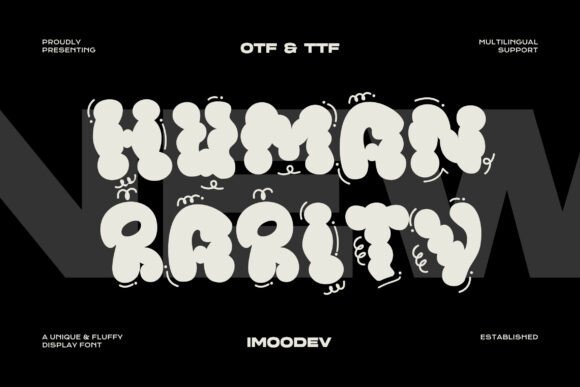
I remember the exact moment I needed a new cover font for a digital lifestyle magazine. The layout was clean, but the title felt too rigid, lacking the soft, inviting atmosphere that our readers had come to expect from our editorial voice. That is when I discovered Human Rarity, a cloud bubble font that immediately transformed the visual identity of the project. This typeface is not just another decorative asset; it is a soft and delightful typeface with wavy forms that brings an organic, handwritten quality to any display design.
As an editorial designer who spends hours balancing aesthetics with readability, finding a font that bridges the gap between artistic expression and structural clarity is rare. Human Rarity captures the essence of floating clouds while maintaining enough character to anchor a headline. Inspired by the beauty of clouds, this font combines artistic aesthetic principles with a playful rhythm that feels both modern and timeless. In my recent workflow testing various Fonts for client projects, I found that this specific typeface offers a unique solution for brands seeking a gentle, approachable personality without sacrificing professional polish.
How Human Rarity Elevates Lifestyle Blog Headers and Digital Covers
The first time I applied Human Rarity to a blog header redesign, the entire tone of the website shifted toward something warmer and more personal. This Display font excels in creating immediate visual hierarchy because its wavy forms naturally draw the eye without overwhelming the content structure. Unlike standard sans serif or serif fonts that can feel sterile, the slightly irregular, handwritten letterforms of Human Rarity suggest a human touch, which is essential for lifestyle blogs and creative publications.
When designing digital covers or newsletter graphics, the softness of this typeface helps reduce visual fatigue. Readers are often scanning quickly on mobile devices, and the rounded edges of these letters create a friendly entry point into the content. I tested this font across various screen sizes, and the legibility remained high even at larger sizes where the "cloud" details became prominent. For creators building a brand identity around wellness, creativity, or family life, using Human Rarity as your primary display font establishes an emotional connection before the reader even processes the text.
- Visual Impact: The bubbly, cloud-like shapes make headlines stand out in crowded social media feeds.
- Mood Setting: It instantly communicates relaxation, joy, and creativity, aligning perfectly with soft branding strategies.
- Consistency: Using this font across headers, pull quotes, and chapter openers creates a cohesive publication identity.
Why Human Rarity Works Best for Wedding Guides and Creative Workbooks
Beyond web design, I have seen Human Rarity shine in physical print products like wedding guides and coaching workbooks. When you are designing a printable planner or a course PDF, the font choice dictates how the user interacts with the material. The whimsical nature of this display font makes instructional materials feel less like homework and more like a guided journey. I recently used it for the chapter titles in a digital wedding planning guide, and the result was a document that felt celebratory and elegant rather than bureaucratic.
The font's ability to mimic handwriting adds a layer of authenticity that stock photography or generic templates cannot achieve. When paired correctly, the soft curves of Human Rarity complement the structured lines of body text beautifully. However, it is important to note that this font is designed for impact, not density. It is perfect for section headings, pull quotes, and decorative accents, but it should not be used for long-form paragraphs or dense legal disclaimers within your ebook. The variation in stroke width and the playful "bubble" effect requires more white space to breathe, making it ideal for layouts that prioritize mood and visual flow over information density.
Pairing Human Rarity with Readable Serifs for Long-Form Content
One of the most critical aspects of editorial design is font pairing, and getting this wrong can ruin an otherwise beautiful layout. Since Human Rarity is a highly expressive font with distinct personality, it needs a neutral partner to handle the heavy lifting of reading. In my latest editorial feature page, I paired this cloud-inspired typeface with a classic serif font for the body copy. The contrast between the soft, rounded display font and the structured, traditional serif created a balanced typographic scale that felt sophisticated yet accessible.
For digital magazines and newsletters, consider pairing Human Rarity with a clean sans serif font for navigation elements or captions. This combination ensures that while the headlines grab attention with their artistic aesthetic, the functional text remains crisp and easy to scan. The key is to let the "cloud bubble" characteristics of Human Rarity serve as the star, while the supporting typography acts as the stage. If you are working on a recipe ebook or a creative portfolio, this pairing strategy allows the content to shine without competing with the typography for dominance.
- Primary Headline: Use Human Rarity in bold weights to capture attention immediately.
- Subheadings: Utilize the same font family but perhaps in a lighter weight or with tracking adjustments to maintain hierarchy.
- Body Copy: Switch to a highly legible serif or sans serif font to ensure comfortable reading for extended periods.
- Pull Quotes: Reintroduce Human Rarity for emphasis, breaking up the text and adding visual interest.
Evaluating Commercial Licensing for Creator Products and Brand Identity
Before integrating Human Rarity into any commercial product, such as paid templates, branded merchandise, or client publications, it is vital to review the licensing terms carefully. As a creative font intended for broad use, understanding whether the license covers web embedding, print runs, or resale items is crucial for protecting your business. Many designers assume that a personal license covers all uses, but for projects involving digital downloads or mass-produced printables, a commercial license is often required.
This typeface is particularly well-suited for independent content brands looking to differentiate themselves in a saturated market. The unique blend of cloud inspiration and handwritten style offers a fresh alternative to the ubiquitous geometric sans serifs dominating the design space today. Whether you are launching a new line of printable planners, updating a corporate newsletter graphic, or designing a book cover, Human Rarity provides the artistic flair necessary to make your work memorable. By choosing a font that tells a story through its shape, you are investing in a visual language that resonates deeply with audiences seeking warmth and authenticity in their digital experiences.