Big Foot: A Playful Display Font for Modern Web Design
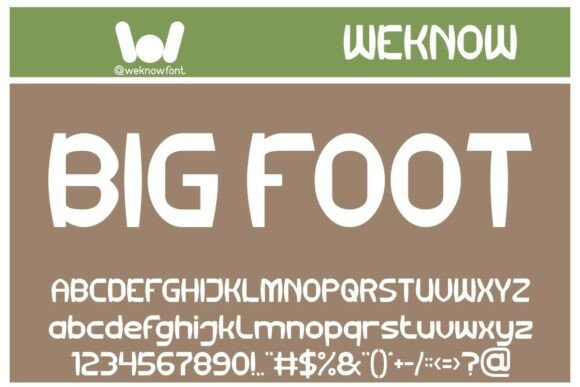
Welcome to the world of Bigfoot, a funky mix of cartoonish charm and rounded geometry that s sure to turn heads. This display font is thoughtfully crafted to inject life into your creative endeavors, making it an essential asset for any digital product creator looking to break away from sterile corporate templates. As a web designer who has spent years optimizing user interfaces, I know that the right typeface can be the difference between a scroll-and-leave visitor and an engaged customer. Big Foot brings a unique personality to screen-based projects, offering a visual rhythm that captures attention without sacrificing the structural integrity required for professional layouts.
Big Foot as a Hero Section Headline for Landing Pages
The first impression on a landing page is often dictated by the hero headline, where Big Foot excels at commanding immediate attention. Its rounded geometry creates a friendly, approachable vibe that invites users to explore further, while its distinct cartoonish charm ensures your brand stands out in a sea of generic sans serif fonts. When used for main headlines on high-conversion pages, this display font establishes a tone of fun and innovation, which is particularly effective for SaaS products, creative agencies, or lifestyle brands targeting younger demographics. The weight and structure of Big Foot allow it to hold its own against large imagery and bold color blocks, ensuring your value proposition is readable even when viewed quickly on mobile devices.
Enhancing Visual Hierarchy with Big Foot on Product Banners
In online store environments, visual hierarchy is critical for guiding the shopper's eye toward key offers and promotions. Big Foot serves as an excellent tool for creating distinct section breaks and highlighting special sales banners because its unique character set draws the eye naturally. Unlike standard serif or sans serif fonts that blend into the background, Big Foot adds a layer of decorative interest that signals excitement and urgency. By applying this font to discount tags, new arrival headers, or limited-time offer bars, designers can create a playful yet structured layout that encourages interaction. The rounded edges soften the commercial aspect of the sale, making the call-to-action feel more like an invitation than a demand.
Big Foot for Building a Consistent Brand Identity Across Digital Assets
A cohesive online identity relies on typography that feels intentional across every touchpoint, from social media graphics to email newsletters. Big Foot provides the consistent voice needed to unify these disparate elements, injecting a specific brand tone that is both memorable and distinctive. Whether you are designing a digital course platform, a portfolio site for a creative freelancer, or a blog for a niche hobbyist, using Big Foot as your primary display font helps establish a recognizable style guide. The font's playful nature suggests creativity and authenticity, traits that resonate strongly with audiences seeking genuine connections with content creators. By maintaining this typographic consistency, you reinforce brand trust and make your digital presence instantly identifiable.
Pairing Big Foot with Clean Sans Serif Fonts for Body Copy
To maximize readability and ensure long-form content remains engaging, Big Foot requires strategic pairing with simpler, neutral typefaces. While the display font is perfect for headlines and short phrases, its decorative nature makes it unsuitable for dense paragraphs of text. The most effective web design strategy involves combining Big Foot with a clean, legible sans serif font for body copy, creating a balanced contrast between personality and clarity. This combination allows the headline to do the heavy lifting in terms of grabbing attention, while the supporting text guides the reader through the narrative without visual fatigue. For a more editorial look, one might experiment with a classic serif font for subheadings, but the core principle remains: let Big Foot shine in the spotlight while the secondary font handles the detail work.
Big Foot for Responsive Mobile Interfaces and App Screens
With mobile traffic dominating the digital landscape, ensuring your display font performs well on smaller screens is non-negotiable. Big Foot's rounded geometry translates surprisingly well to mobile viewports, maintaining its charm even when scaled down for smartphone displays. However, careful attention must be paid to letter spacing and line height to prevent the characters from feeling cramped or illegible. When designing app screens or responsive websites, use Big Foot sparingly for button labels, notification badges, or small header titles where space is at a premium. The font's distinct shapes help differentiate interactive elements from static content, improving the overall usability of the interface. Testing your designs on various device sizes ensures that the cartoonish charm does not compromise the functional clarity of your UI.
Using Big Foot for Call-to-Action Buttons and Interactive Elements
Conversion-focused layouts rely heavily on buttons that stand out, and Big Foot offers a unique opportunity to make call-to-action (CTA) elements feel inviting rather than aggressive. Applying this display font to primary buttons can transform a standard "Sign Up" or "Buy Now" link into a branded experience that aligns with the overall aesthetic of the page. The rounded geometry softens the edge of the button, reducing visual friction and encouraging clicks. When combined with contrasting colors and generous padding, Big Foot CTA buttons become focal points that drive user engagement. This approach is particularly effective for e-commerce sites and lead generation forms where the goal is to reduce hesitation and increase conversion rates.
Big Foot for Creative Portfolios and Personal Brand Websites
Creative professionals need a website that reflects their unique style, and Big Foot is an ideal choice for portfolios that want to showcase artistic flair. The font's ability to convey personality makes it perfect for naming sections, introducing project case studies, or highlighting testimonials on a personal brand site. It allows designers to move beyond the rigid grids of corporate templates and create a more organic, human-centric layout. Whether you are a graphic designer, illustrator, or marketing consultant, using Big Foot signals that you understand modern trends and are not afraid to take risks. This confidence in your typographic choices can influence client perception, suggesting that you bring a fresh perspective to their projects as well.
Ensuring Commercial Licensing Compliance for Web Projects
Before integrating Big Foot into any live website or client deliverable, it is crucial to verify the commercial font licensing terms associated with the typeface. Most premium fonts come with specific usage rights regarding web embedding, desktop installation, and distribution within digital templates. Ensuring you have the correct license protects your business from legal issues and guarantees that you are using the font ethically. Always check if the license covers Google Fonts integration, self-hosted webfonts, or if it requires a separate server license for high-traffic sites. Understanding these details allows you to deploy Big Foot confidently across all your digital assets, from internal dashboards to public-facing marketing campaigns.